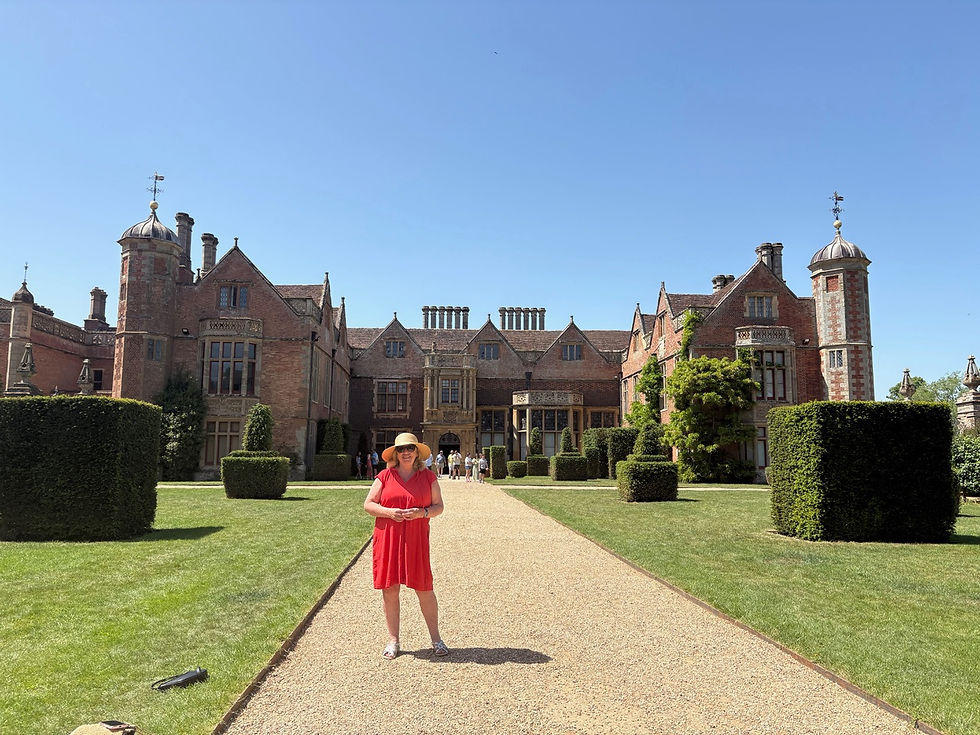
Murder, tunnels and an island garden - my short break in Kent
Updated: Dec 18, 2025
The details are graphic. According to our guide, Thomas Becket was set upon by four of King Henry II’s knights in Canterbury Cathedral. A tall man, Thomas initially stood his ground until getting cornered and succumbing to the brutal, frenzied attack. So brutal the crown of his skull was sliced off.
History is no stranger to gruesome murders but though this one happened in 1170 and many centuries have since passed, the butchering of an Archbishop of Canterbury in his own cathedral still resonates. Thousands visit the spot where he was martyred, drawn by the stone that bears his name and the four-sword sculpture oozing the redness of blood.
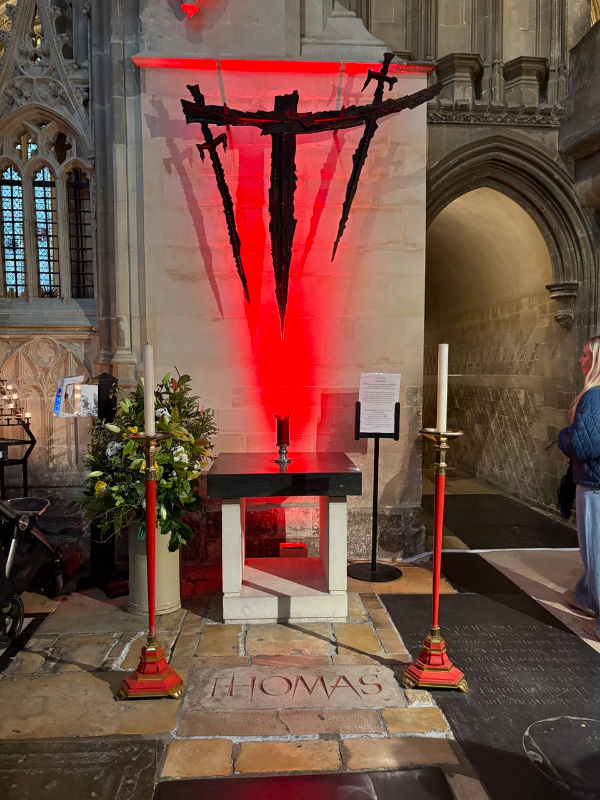
Like most people, I experienced a sombre moment of reflection in front of the memorial. A momentous milestone will have been reached when Dame Sarah Mullaly is installed as the first female Archbishop of Canterbury in March, but the legacy she inherits is certainly not without its challenges. Pomp, pageantry and politics – as many have discovered, a scarily tight-knit trio.
I knew little about Canterbury before my recent trip, but time spent wandering its medieval streets, marvelling at amazing architecture and learning more about Charles
Dickens’ love of the place, Geoffrey Chaucer’s pilgrims and, of course, the tragic repercussions of Thomas Becket’s disagreement with the king, proved an enchanting exploration of the past.

Which turned out to be very much a theme of my long weekend in Kent. Thanks to one of my two companions having Holiday Property Bond membership, the three of us stayed in a self-catering apartment at Sibton Park - a Grade II listed former girls’ boarding school that successfully combines period features with modern comforts and facilities in a very tranquil setting. We were in the main building where beamed ceilings, large fireplaces and the occasional sloping floor blended seamlessly with an indoor heated swimming pool, tennis courts and all-weather bowling pitch.

Dover was a short drive away, so our second day was spent exploring the town’s castle.
Perched high above the busy port and run by English Heritage, Dover Castle is so much more than a medieval fortress. Originally constructed as an Iron Age hillfort more than 2000 years ago, the Romans built an octagonal lighthouse on the site after invading in AD 43 and the structure – once a beacon for Roman ships coming into port - still stands today.
Strategically vital over many centuries of conflict, Dover Castle and its grounds have played their part in keeping our country safe as our first tour into the World War II tunnels made abundantly clear. This was where the operation to evacuate hundreds of thousands of British and Allied troops from Dunkirk was planned, and whilst the vast labyrinth of rooms is now empty of service personnel who helped change the war’s course, there are eerie reminders of their former presence in headphones dangling from tables, noticeboard scribblings and chairs worn from constant use.

After walking through the underground hospital - another eye-opener, especially the operating theatre - we left behind cold, dark subterranean layers and headed up the hill.
The age-old fortification on top still stands intact - with thick medieval walls and plenty of tales to tell. English Heritage staff and volunteers were on hand to talk to us in rooms where figures from our history books once lived and breathed. Wall hangings, re-created furniture and hundreds of authentic and replicated period items lent verisimilitude to the whole experience, as did watching a demonstration on how to make chainmail. I found the intricate, highly skilled process involved in making the armour intriguing – but, given its weight, wouldn’t want to wear it.

Since Kent is known as the garden of England, our last stop on the way home was at Sissinghurst, formerly home to author Vita Sackville-West and politician Harold
Nicholson. The couple bought the property in 1930 and proceeded to transform its grounds into a magnificent garden comprising self-contained outdoor ‘rooms’. The most famous of these is the White Garden but, on my November visit, it was Delos which drew me.
I’d visited the island, one of the smallest in Greece, this summer. Once a shrine to Apollo and a thriving ancient city, Delos was eventually destroyed and abandoned – leaving remarkable ruins that I found enchanting. Vita and Harold had been similarly impressed and set about creating Delos in their garden. It never quite materialised during their lifetime, but the National Trust recently took on the challenge of reimagining the Sissinghurst version which, even on a cold, grey wintry day, exuded a Mediterranean feel.
I enjoyed my wander around the newly planted terracing and carefully constructed stonework and look forward to returning when the final phase of the Delos garden opens to the public next year.

Martyrdom in a cathedral that will shortly hit the headlines again when a new Archbishop of Canterbury is inaugurated. Chillingly atmospheric World War II tunnels. A defensive fortification standing on white cliffs that’s defended our realm for centuries. And a truly imaginative horticultural haven.
An intensely fulfilling and enjoyable three days. Thank you, Kent, for delivering.

Fact file